Celebrating Pablo Shmerkin and the Power of Mathematical Collaboration
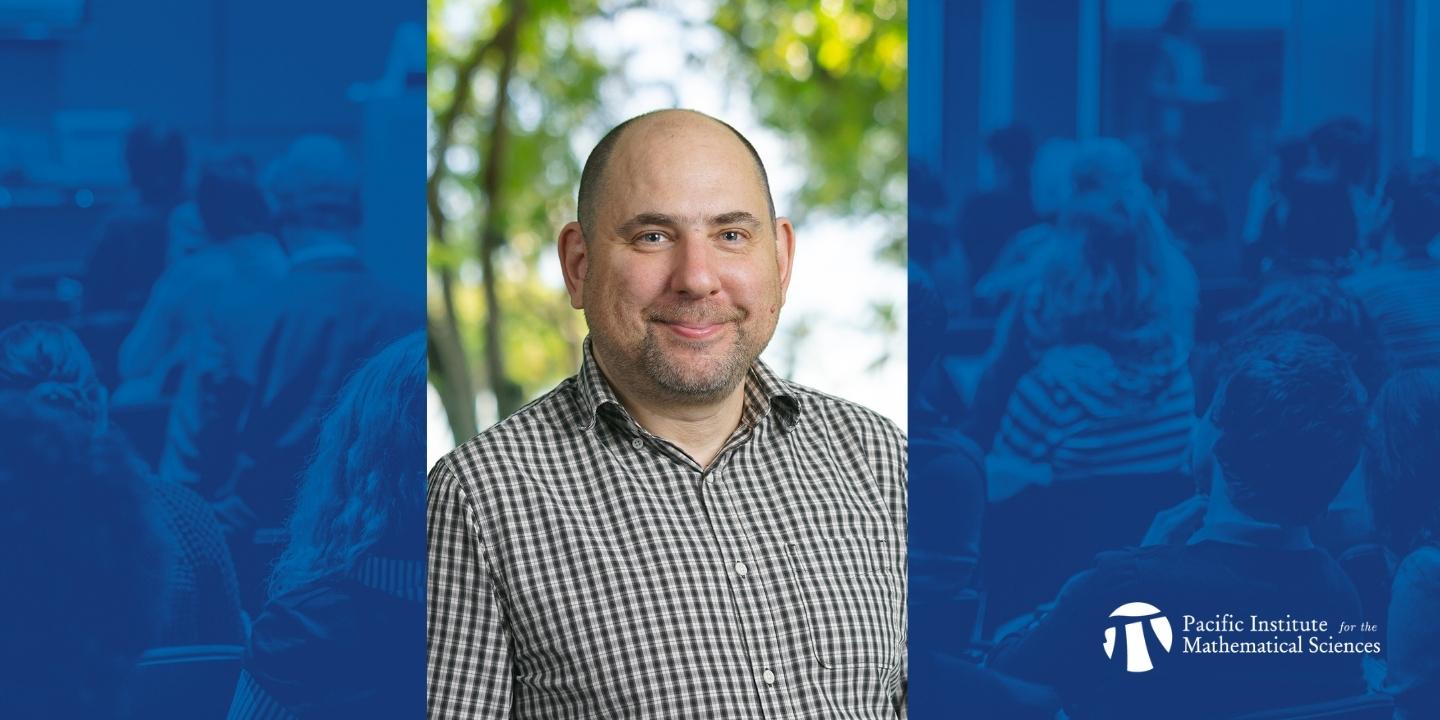
Congratulations to UBC mathematician Pablo Shmerkin, who, together with Joshua Zahl, Tuomas Orponen and Hong Wang, has received a 2026 Clay Research Award for work resolving two major problems in modern analysis.
For Pablo, the recognition reflects a research journey that has unfolded over more than a decade — through incremental progress, difficult problems and collaboration with other mathematicians.
The mathematics behind the award explores a deceptively simple idea: what can we learn about a three-dimensional object from its shadows or projections as the direction of the “sun” changes? These fundamental questions about projections connect to several areas of mathematics, and Pablo hopes the recognition will also encourage younger researchers working in the field.
Looking back, Pablo points not to a single breakthrough moment, but to a series of encounters and collaborations that moved the work forward. Research programs in Stockholm and Bonn, his long-term collaboration with Tuomas Orponen, and conversations at conferences all contributed ideas that eventually helped unlock difficult problems.
“Mathematical progress rarely happens in isolation,” he says. “Some of the most important developments in my own work have come through collaborations that began at conferences and research programs, sometimes through informal conversations that developed into long-term research partnerships.”
That experience has shaped Pablo’s appreciation for the role mathematical institutes and research communities can play — particularly for emerging researchers.
“Organizations like PIMS can play an important role in creating these opportunities by bringing together researchers at different career stages and giving them the time and space to exchange ideas, build collaborations and work through difficult problems together.”
At a moment when AI is rapidly changing mathematics, Pablo believes maintaining these human connections is more important than ever. While technology may transform how mathematics is done, the exchange of ideas between people — through seminars, workshops, research programs and informal conversations — remains fundamental to mathematical discovery.
As PIMS celebrates 30 years of bringing mathematical communities together, Pablo’s story is a powerful reminder that breakthroughs rarely happen overnight. They grow through persistence, shared ideas and relationships built over time.
Congratulations, Pablo — and to all four recipients of this remarkable recognition.